
Myth-Busting: Common Misconceptions About Drywall Installation


Understanding Drywall Installation
Drywall installation is a fundamental part of construction and renovation, yet it’s often surrounded by misconceptions. These myths can lead to confusion, mistakes, and unnecessary costs. Let's dive into some common myths and set the record straight.
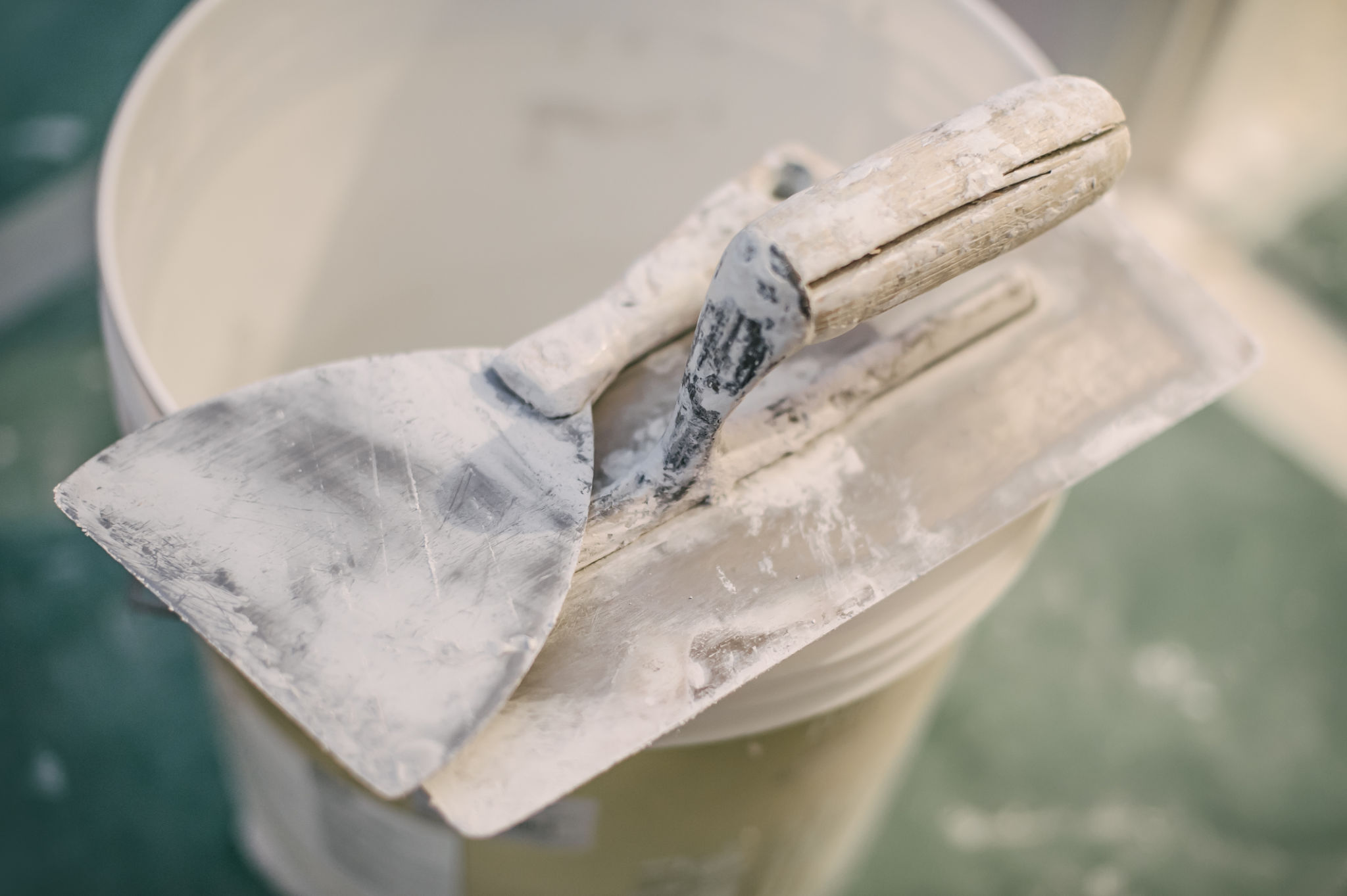
Myth 1: Drywall Is Only for Professionals
One of the most widespread myths is that drywall installation is a task only for professionals. While experience certainly helps, many DIY enthusiasts successfully handle drywall projects. With the right tools, materials, and guidance, homeowners can often complete smaller projects themselves.
For those considering a DIY approach, it’s crucial to start with thorough research and possibly some practice on smaller sections. However, for larger or more complex projects, seeking professional help is advisable.
Myth 2: All Drywall Is the Same
Many people believe that drywall is a one-size-fits-all material, but this is far from true. Drywall comes in various types and thicknesses, each designed for specific purposes. For instance, moisture-resistant drywall is ideal for bathrooms, while fire-resistant drywall might be necessary for certain areas.

Understanding the different types of drywall and selecting the right one for your project is crucial for achieving the best results.
Myth 3: Drywall Can Handle Any Weight
Another common misconception is that drywall can support any weight. In reality, drywall alone is not designed to bear heavy loads. For hanging heavy items like televisions or shelves, it’s essential to locate the studs behind the drywall or use specialized anchors.
- Use wall studs for heavy items.
- Consider toggle bolts or anchors for medium-weight items.
Myth 4: Drywall Is Only for Interior Use
While drywall is predominantly used for interior walls and ceilings, it can also be applied in specific exterior situations with the right type and preparation. Exterior-grade drywall, often referred to as sheathing, is specially treated to withstand outdoor conditions.

However, using drywall in exterior applications requires careful attention to weatherproofing and installation techniques to ensure durability.
Myth 5: Repairing Drywall Is Complicated
Many believe that repairing drywall is a complicated and messy process. While it requires some skill and patience, most drywall repairs are straightforward. Small holes and dents can often be fixed with a bit of spackle and sanding.
- Identify the damage.
- Gather necessary materials like spackle and sandpaper.
- Follow a step-by-step repair guide.
For larger repairs, patch kits are available, making the process more manageable.
Conclusion: Demystifying Drywall
Understanding the realities of drywall installation can save time, money, and frustration. By debunking these myths, homeowners and DIYers can approach their projects with confidence and clarity. Whether you decide to tackle a project yourself or hire a professional, knowing the facts is your best tool.